Home › Industrial and Heavy-Duty Asphalt Paving
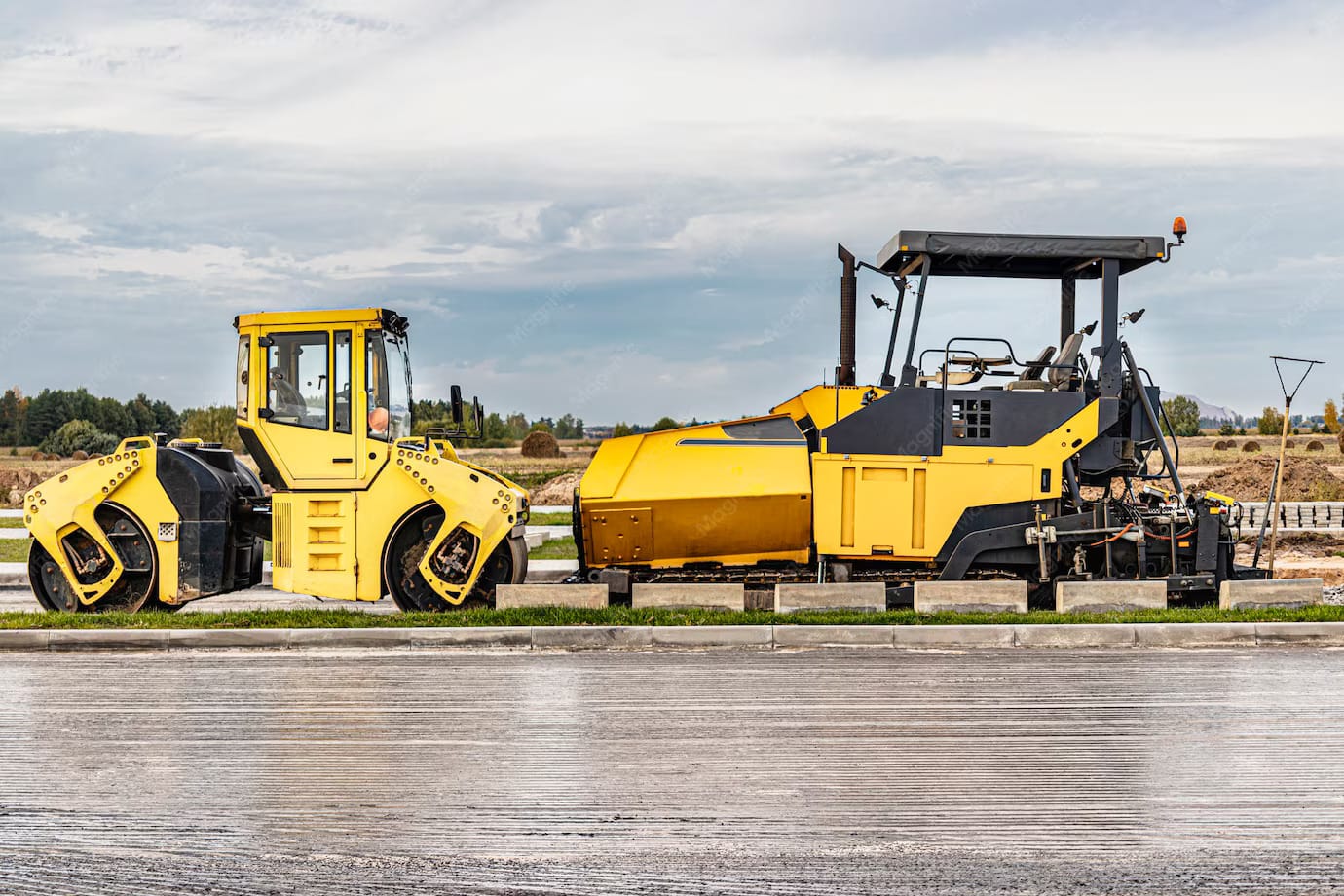
We provide industrial asphalt paving in Saint Louis, MO for truck yards, loading areas, and warehouse facilities. Our heavy duty designs use thicker asphalt, robust base layers, and proper compaction to handle constant turning, braking, and heavy loads. We tailor pavement structures to your operations so your surfaces resist rutting and premature failure.
Precision Asphalt St. Louis provides professional industrial asphalt paving throughout Saint Louis, MO, Missouri and the surrounding area. Our licensed, insured crew delivers safe, clean, on-time work with a free estimate before anything begins. Call (314) 333-7779 or request your free quote.
Industrial asphalt paving tailored to Saint Louis facilities
Industrial asphalt paving in Saint Louis is very different from paving a basic parking lot or driveway. At Precision Asphalt St. Louis, we design pavements around the specific loads, traffic patterns, and site conditions of local plants, warehouses, terminals, and distribution centers.
For industrial and heavy-duty asphalt paving, we start by understanding how your site is actually used. We look at the weight and turning radius of forklifts, the wheel paths of semi trailers, where trucks queue, how often loading docks are used, and whether fuel, oils, or de-icing salts are common in the work area. A facility in the Riverport area with steady 80,000 lb truck traffic gets a very different section design than a light manufacturing shop in Maplewood with occasional box truck deliveries.
Saint Louis soils can be challenging, especially in older industrial corridors where fill material and utilities have been disturbed repeatedly over the decades. Before we recommend any pavement structure, we review drainage, soil stability, and any history of settlement or frost heave. We often recommend geotechnical testing on heavier-use sites so we can size the stone base and asphalt thickness accurately rather than guessing. The result is a pavement designed to match the real-world abuse your site will see instead of an off-the-shelf "commercial" spec that may not last.
How we build heavy-duty asphalt for long service life
A durable industrial asphalt pavement is really a system, not just a black surface. Our work on Saint Louis industrial projects typically follows a clear sequence so you know exactly what is happening on your site.
First, we handle demolition and removal of any failed asphalt or concrete, including proper disposal. On older factories and terminals along the Mississippi, we often uncover mixed fill or soft pockets. Where the subgrade is weak, we proof-roll with heavy trucks or compactors and mark any deflection areas for undercutting, soil stabilization, or additional base stone. Getting this step right is critical for areas that see loaded trailers parked for days.
Next, we install and compact the aggregate base. For heavy-duty applications, this is usually a thicker rock base, often 6 to 12 inches or more of dense-graded aggregate, compacted in lifts. In areas with chronic moisture or clay, we may add geotextile fabric or a base stabilization product to keep the structure stiff in freeze-thaw cycles that are common in Saint Louis winters.
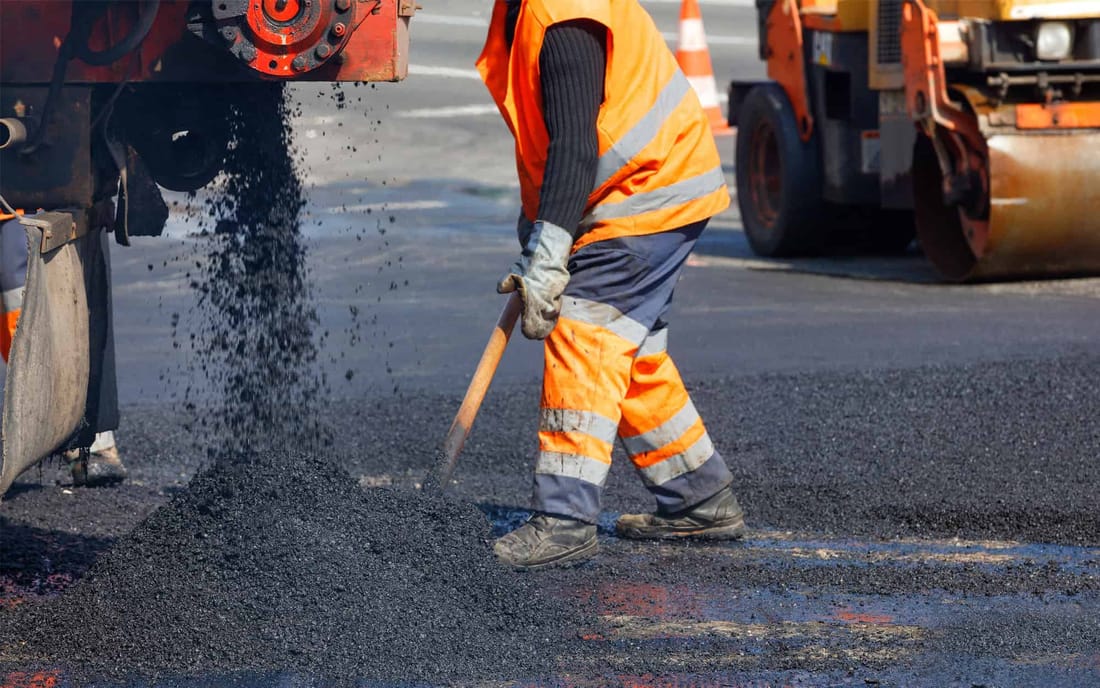
Then we place the asphalt in multiple courses. Industrial pavements commonly use a heavy base course mix, a binder course, and a tighter surface course that resists fuel drips and turning traffic. We adjust total thickness and mix design based on loading. For example, a trucking yard with constant tandem axle traffic might receive up to 6 to 8 inches of total asphalt thickness, while a lighter loading dock lane might need less. We use state-spec mix designs or custom heavy-duty mixes, compacted with vibratory and static rollers to achieve target density. Proper compaction is what prevents rutting in hot Saint Louis summers.
Finally, we finish with details that matter in industrial settings, such as reinforcing around dock levelers, creating strong transitions to concrete aprons, and installing proper edge support where trailers track close to pavement edges.
Design options for demanding industrial and logistics sites
Industrial asphalt paving is not one-size-fits-all. Precision Asphalt St. Louis helps you choose a pavement design that works with your operations, budget, and maintenance expectations.
One key decision is whether to use full-depth asphalt or asphalt over a thick aggregate base. Full-depth asphalt can be a good choice where soil conditions are stable and high loads are concentrated, such as container yards or rail-adjacent storage areas. A deep aggregate base, on the other hand, is often preferred in parts of north and south city where old industrial fill and utilities make subgrade conditions variable.
We also discuss whether certain high-stress areas should be concrete instead of asphalt. For example, many Saint Louis warehouses use concrete for the first few feet in front of loading docks and at dumpster pads, then tie into heavy-duty asphalt for the rest of the truck court. This combination controls rutting where trailers sit for long periods while keeping overall costs lower than full concrete.
Surface course options matter too. In heavy forklift lanes or tight turning areas, we may specify a finer-graded, high-stability surface mix that resists shoving and scuffing. For distribution centers that run 24/7, we can incorporate reflective striping layouts and durable markings that stand up to snow plows and repeated repainting. If chemical exposure is a concern, such as at fuel distributors or maintenance yards, we may recommend seal coats or modified binders in certain zones to improve resistance to spills.
Drainage design is another key element in our industrial work. We focus on getting water away from loading areas and drive lanes using correct slopes, trench drains where needed, and careful tie-ins to existing storm systems. Ponding next to docks or at gates leads to faster pavement breakdown in Saint Louis freeze-thaw cycles, so we aim to correct those issues during reconstruction rather than paving over them.
Costs, timelines, and what drives your investment
When you plan an industrial asphalt paving project, you need clear expectations on cost and downtime. At Precision Asphalt St. Louis, we walk you through the main factors that affect your investment so you can phase the work around production schedules.
The biggest cost driver for industrial asphalt paving is structural thickness and base preparation. Heavier truck traffic, more frequent loading, and poor subgrade conditions all require more stone, more asphalt, or both. A lightly loaded manufacturing lot in Fenton might need half the total thickness of a central Saint Louis freight terminal that handles constant tandem axles and trailers parked for days.
Site access and phasing also impact cost and schedule. If we can work in large uninterrupted areas, production is faster and more economical. If your yard or plant must stay operational, we plan phased closures, temporary access routes, and off-hours work, which require more coordination but let you keep operations moving. Many local clients choose weekend or night paving for their busiest lanes to avoid disrupting truck schedules.
Other cost factors include drainage improvements (new inlets or trench drains), tie-ins to existing concrete, and any needed upgrades to meet current codes or safety standards like fire lane markings. We are upfront about the difference between a short-term overlay to get a few more years out of a failing surface and a full-depth reconstruction that is intended to serve for a decade or more under heavy use.
Before you commit to a design, we encourage a site walk with your maintenance or operations team. We want to see where trucks really drive, where they cut corners, and where water sits after a storm. Those details often allow us to refine the scope so you spend money where it has the most impact and avoid overbuilding low-stress areas.
Common industrial pavement problems and how we prevent them
Industrial pavements in Saint Louis face a harsh mix of heavy loads, temperature swings, and de-icing chemicals. Precision Asphalt St. Louis focuses on preventing the issues we see repeatedly in local industrial yards and logistics centers, so you are not fighting the same problems every few years.
One frequent issue is rutting and shoving in truck lanes and loading areas. This usually comes from either insufficient structure or poor compaction. We combat this with proper design thickness, high-stability mixes in turn areas, and strict rolling procedures. Our crews check mat temperatures and roller patterns so the asphalt is compacted at the right time, which keeps wheel paths from deforming under summer heat.
Another common failure is edge breaking where trucks track too close to the edge of the pavement. For heavy-duty work, we avoid creating unsupported thin edges. Where possible, we thicken or widen the asphalt section at edges, use concrete edge restraints, or adjust layouts so truck tires stay within the structural section. This is especially important at tight gates and around older buildings in industrial parts of the city where space is limited.
Water-related damage is a third major cause of premature failure. Pavement that holds water or drains toward docks will develop potholes and base failures much faster in a climate like Saint Louis. Our designs emphasize positive drainage, and when we reconstruct, we correct grades instead of simply matching the old, flawed slopes. In some cases we recommend underdrains or improved storm structures if we see chronic saturation.
Finally, we talk with every industrial client about maintenance expectations. Periodic crack sealing, timely patching of isolated failures, and resealing where appropriate can extend the life of a heavy-duty asphalt surface significantly. We can set up a simple inspection schedule after installation so small issues are caught early, allowing you to protect your investment while minimizing unplanned shutdowns.