Home › Gravel-to-Asphalt Conversions
We specialize in gravel to asphalt driveway conversions in Saint Louis, MO so you can retire ruts, dust, and mud for good. Our crew evaluates your existing base, improves drainage as needed, and installs durable asphalt over or in place of gravel. You get a cleaner, smoother surface that is easier to maintain and more attractive year round.
Precision Asphalt St. Louis provides professional gravel to asphalt driveway throughout Saint Louis, MO, Missouri and the surrounding area. Our licensed, insured crew delivers safe, clean, on-time work with a free estimate before anything begins. Call (314) 333-7779 or request your free quote.
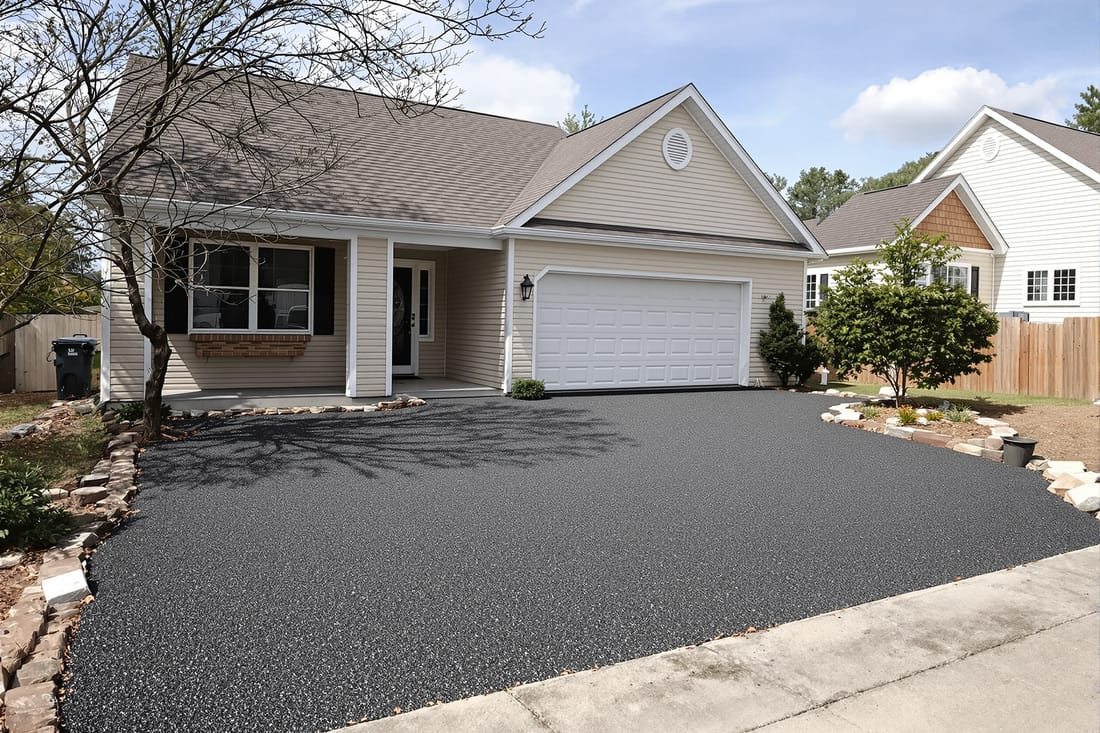
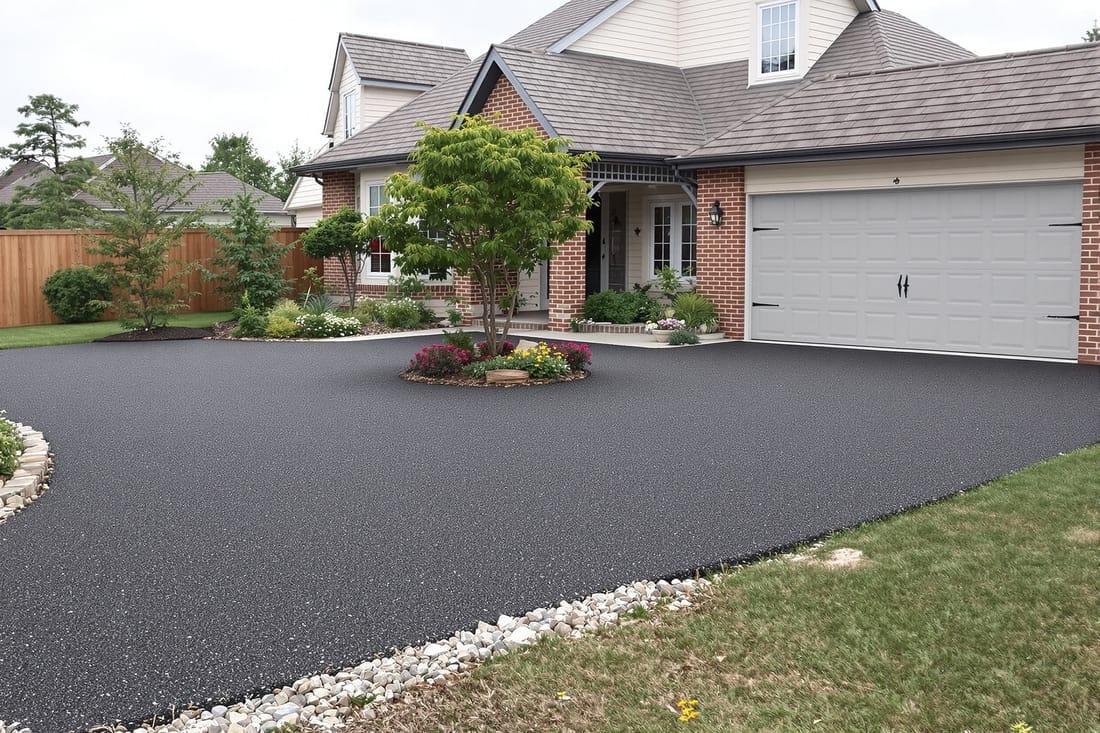
Turn Your Gravel Driveway Into a Solid Asphalt Surface
A gravel driveway might be fine for a while, but in Saint Louis it often means ruts after heavy rain, mud in spring, and constant rock displacement. Precision Asphalt St. Louis focuses on turning those loose stone driveways into smooth, compact asphalt surfaces that hold up to local traffic and weather.
When we convert gravel to asphalt, we do not just cover the rocks. We rebuild the driveway structure so it behaves like a real paved drive. That means checking the existing base, drainage, and subgrade soils, then reshaping and reinforcing everything before we ever bring in hot mix asphalt. This approach costs more than a simple overlay, but it is the reason our conversions last instead of breaking up in a few seasons.
If you are tired of grading your gravel or tracking stones into your garage, a properly designed asphalt driveway is usually the lowest hassle long term option in our climate. We design each project for the way you actually use the driveway, whether it is light residential car traffic, delivery trucks, or trailers, and we size the base and asphalt thickness accordingly.
How We Convert Gravel to Asphalt Driveways in Saint Louis
Every gravel to asphalt driveway project starts with a site visit. A Precision Asphalt St. Louis estimator walks the full length of the drive, checks for soft spots, standing water, and existing drainage patterns, and notes slopes toward the house, street, and any low areas. We also look at what is under the gravel. In many older Saint Louis properties, there are pockets of clay or fill dirt that will not support asphalt unless they are corrected.
Next, we strip and regrade the existing gravel. Using a skid steer or grader, we pull off excess loose rock and set it aside, then cut and shape the driveway to the proper crown or cross slope so water sheds to the sides, not toward your foundation or garage. If there are soft or pumping areas, we undercut those sections, hauling out unstable material and replacing it with compacted rock.
Once the base material is in place, we compact in multiple passes with a vibratory roller. We aim for a firm, unyielding surface that you cannot easily dig into with a heel or shovel. Where needed, we install additional base rock (often 1 inch minus or similar aggregate) to reach the right depth. Only when the base is tight and graded correctly do we schedule paving.
On paving day, our crew brings in hot mix asphalt from a local Saint Louis plant, typically a surface mix designed for residential drives. We place it with a paver or by hand on small or tight areas, then roll it for a dense, smooth finish. Edges are compacted to reduce crumbling and we tie into existing concrete at garages, sidewalks, or the street apron so there are no abrupt transitions.
Design and Material Options for Your New Asphalt Driveway
A gravel to asphalt driveway conversion is a chance to improve more than just the surface. Precision Asphalt St. Louis can widen narrow drives, soften tight curves, and add parking pads where you actually park your vehicles. During estimating, we will mark out possible changes with paint so you can see how the new layout will function.
For most Saint Louis homeowners, a single lift of asphalt in the 3 to 4 inch compacted range works well for passenger vehicles. If you expect frequent delivery trucks, RVs, or trailers, we recommend either a thicker asphalt section or a heavier stone base. We keep the explanation plain and tied to how you actually use the space, not generic technical talk.
You can choose edge treatments as well. Options include a simple compacted asphalt edge, a slight shoulder of gravel or rock along the sides, or tying the driveway flush into existing concrete. In some yards we advise a small stone shoulder to help with drainage and to protect landscaping from water runoff.
Finish texture is another choice. A tighter, smoother finish looks cleaner and is easier to shovel or snow blow in winter. A slightly more textured surface can offer more grip on steeper sections. We select the right roller and compaction pattern to get the finish you want while still hitting proper density targets.
Local Conditions That Affect Gravel to Asphalt Driveways
Saint Louis soil and weather play a big role in how we design gravel to asphalt projects. Much of the metro area has expansive clay that holds water. If we simply pave over loose gravel laid on top of that clay, the asphalt will crack and rut as the soil swells and shrinks. Precision Asphalt St. Louis checks for these problem areas and corrects them with thicker aggregate base, undercutting, or in some cases, fabric separation between the soil and the rock.
Our region also sees freeze thaw cycles that can lift poorly supported pavement. A well compacted rock base with the right thickness is key to limiting frost damage. That is why we verify base depth during preparation rather than guessing. On shaded or low lying drives where meltwater lingers, we are especially careful to set slopes that move water off the pavement quickly.
Heavy summer storms are another concern. If your current gravel driveway develops washouts or trenches when it rains, that is a sign the drainage is wrong. When we convert to asphalt, we reshape the drive and, if needed, recommend shallow swales, small culverts, or minor grading beside the drive so the new surface is not undermined by stormwater.
Because we work all over the Saint Louis area, we know how older subdivision lots, rural properties in Jefferson and Franklin counties, and tighter city parcels each behave. That local pattern recognition matters when deciding where we can rely on existing gravel and where we need deeper correction.
Costs, Common Problems, and How We Avoid Them
The cost of converting a gravel driveway to asphalt in Saint Louis is driven by three main factors: driveway size and layout, how much base work is needed, and asphalt thickness. Straight, relatively flat drives with solid existing gravel cost less per square foot than winding drives with multiple soft spots and drainage fixes.
Many low quotes you see come from skipping base corrections and putting down a thin asphalt layer over loose stone. That surface usually looks fine the first year but develops dips, edge breakage, and alligator cracking as traffic and weather work on it. Precision Asphalt St. Louis avoids this by budgeting for proper base prep, realistic asphalt depth, and enough labor to compact everything correctly.
Common problems we are called to fix on failed conversions include standing water at the garage, edges that crumble where the asphalt was left unsupported, and reflective cracking over old ruts or tire paths. We prevent those by grading slopes away from structures, compacting edges and shoulders, and cutting out and rebuilding any obvious rutting before paving.
We are clear about what is included in the price: stripping and regrading existing gravel, adding base rock where necessary, compaction, installation of hot mix asphalt, and basic tie-ins to existing pavements. If we see optional upgrades like drainage pipe or concrete aprons that would be beneficial, we price them separately and explain why they might be worth it instead of burying extras in vague language.
What to Expect When You Hire Precision Asphalt St. Louis
When you contact Precision Asphalt St. Louis about a gravel to asphalt driveway, we schedule a site visit rather than quoting by phone. At the visit, we measure the drive, discuss your vehicle types and parking habits, and check any problem areas you have noticed. Within a short time, we provide a written proposal that breaks out base preparation and asphalt installation so you can see where your money goes.
Once you approve, we pick dates that fit the weather and your schedule. Before we start, we ask you to move vehicles, trailers, and portable items off and around the driveway. Our crew handles the rest, from stripping loose gravel and shaping the base to paving and cleanup. Most residential conversions take one to two working days, depending on size and complexity, plus curing time before you drive on it.
After paving, we give you clear use instructions. Typically, we recommend keeping vehicles off the new surface for at least 24 to 48 hours, avoiding sharp turning in place for the first week, and keeping heavy point loads like trailers on stands with boards to spread the weight. We also discuss when to consider the first sealcoat based on sun exposure and traffic.
If you are ready to stop fighting mud, dust, and rock ruts, Precision Asphalt St. Louis can walk you through a straightforward gravel to asphalt conversion plan tailored to your property, your budget, and Saint Louis conditions.